
- Practice area
Connect With A Criminal Defense Attorney — 24/7
- Trusted Legal Connections
- Confidential Requests
- Qualified Attorney Network
- Fast Attorney Connections
What Does A Criminal Defense Attorney Do?
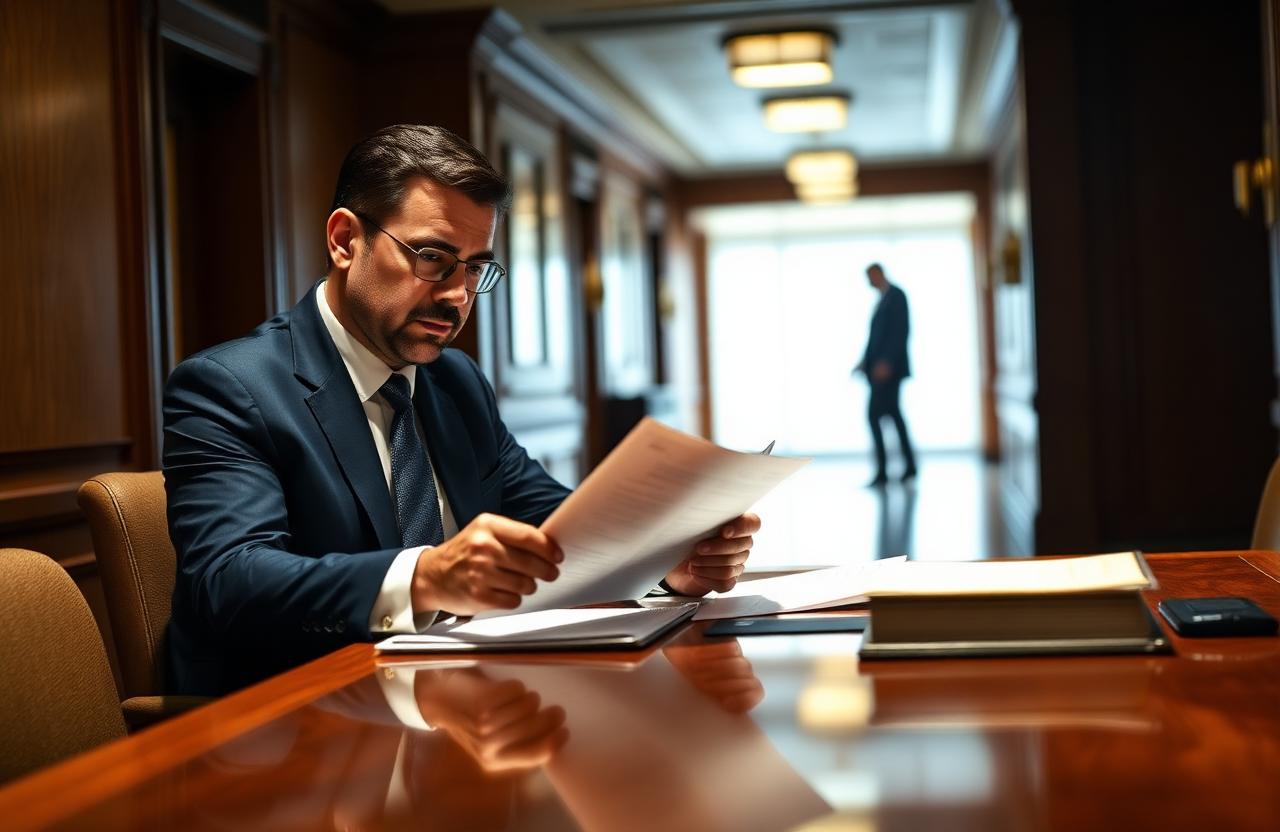
A criminal defense attorney’s job begins the moment someone is under investigation and continues, when necessary, all the way through trial, sentencing, and appeal. Their role is to make sure the government follows the rules, to protect your constitutional rights, and to fight for the best possible outcome — whether that means getting charges never filed, negotiating a favorable plea, or winning an acquittal at trial.
The earliest hours of a criminal case are often the most decisive. A defense attorney can advise you before you speak to detectives, appear at a bond hearing to argue for release on reasonable terms, and quickly evaluate whether any evidence was obtained through an illegal stop, search, or interrogation. In Florida, motions to suppress evidence — statements taken without Miranda warnings, drugs found without probable cause, breath tests performed on faulty machines — can end a case before it ever reaches a jury.
The bulk of a defense lawyer’s work is investigation and preparation. They review body-camera and dash-camera footage frame by frame, subpoena 911 calls and dispatch logs, interview witnesses the police never contacted, and retain forensic experts when the prosecution’s science is questionable. In DUI cases that means challenging the calibration of breath machines and the training of the officer. In drug cases it means dissecting the chain of custody. In violent-crime cases it means testing physical evidence, ballistics, and DNA independently.
Common Florida cases include DUI and DWLS (driving while license suspended), possession and trafficking of controlled substances, domestic violence, theft and fraud, weapons and firearm offenses, sex offenses, juvenile matters, and violations of probation. Each of these carries very different collateral consequences — immigration status, professional licenses, gun rights, driving privileges, and even public housing eligibility can hang on how a case is resolved.
Negotiation with prosecutors is a daily part of the work. A skilled defense attorney knows the local State Attorney’s Office, the individual prosecutors, and the judges who will preside over the case. They can often arrange pretrial diversion for first-time offenders, plead a felony down to a misdemeanor, secure a withhold of adjudication that preserves your civil rights, or persuade the state to drop charges outright when the evidence is weak.
If a case does go to trial, the attorney handles jury selection, cross-examination of every state witness, defense witnesses, and closing argument. They also handle post-conviction relief, sentence modifications, sealing and expungement of records, and appeals when reversible error occurred.
LegalNow247 is not a law firm and does not provide legal defense. We are a legal concierge that connects people facing charges — or a loved one who has just been arrested — with independent Florida criminal defense attorneys who handle that specific type of case. Our line is answered 24/7 because arrests do not wait for business hours.
Silence is not an admission. In Florida, you have the right to speak to an attorney before answering any question from law enforcement — use it.
Criminal Defense by the numbers
24/7
arrest and jail-call intake
6 yrs
records may stay before eligibility to seal or expunge
1st
48 hours after arrest are the most critical
100%
confidential attorney consultations
Common Criminal Defense Situations We Help With
From First Call To Case Resolution
Call LegalNow247
Any time, day or night. Real people answer at (888) 763-9544.
Tell us what you're facing
The charge, the county, and whether an arrest has been made.
We connect you with a defense attorney
Matched by charge type, county court, and urgency.
Free, confidential consultation
Understand the charges, penalties, and defense strategy.
Attorney takes over the case
From bond motions and discovery to plea negotiations or trial.
Timeline, Costs & What Criminal Defense Cases Actually Look Like
Typical timeline
Costs & fees
Documents to gather
- ✓ Arrest affidavit and any charging documents
- ✓ Bond paperwork and pretrial release conditions
- ✓ Discovery, police reports, and body-cam footage (once produced)
- ✓ Names and contact information for witnesses in your favor
- ✓ Any prior criminal history and probation records
- ✓ Employment, school, or military records that support character
Common mistakes to avoid
- ✘ Talking to detectives without a lawyer — even to ‘clear things up’
- ✘ Consenting to a search of a car, phone, or home
- ✘ Discussing the case on recorded jail phone lines
- ✘ Missing court dates or violating conditions of pretrial release
- ✘ Assuming a first-offender program is automatic — most require early negotiation
Signs You Should Speak With A Criminal Defense Attorney
- ✓ You were stopped, searched, or questioned by police
- ✓ You’ve been arrested, charged, or issued a notice to appear
- ✓ You’re being investigated but not yet charged
- ✓ Your immigration status, professional license, or job could be affected
The consultation is confidential. Even if you plan to plead guilty, an attorney may be able to negotiate a better outcome than you’d get on your own.
When to seek help
- You've been arrested or received a notice to appear
- Police or a detective wants to talk to you
- You're on probation and accused of a violation
- You have a warrant and want to turn yourself in safely
- You're facing charges that could affect your job or immigration status
- Free & confidential
Request A Personal Injury Consultation
Criminal Defense Questions People Actually Ask
Should I talk to the police first?
No. Politely decline questioning and ask to speak with an attorney. Anything you say can be used against you, even if you believe you’re helping your case.
Can I really call in the middle of the night?
How much does a criminal defense lawyer cost?
Most criminal attorneys charge a flat fee that depends on the charge, the county, and whether the case is expected to go to trial. Payment plans are common.
What's the difference between a misdemeanor and a felony?
Will I have to go to court for a DUI?
Yes. DUIs require court appearances, and you also face a separate DMV administrative hearing over your driver’s license.
Can charges be dropped before trial?
Yes. Attorneys can move to dismiss based on constitutional violations, insufficient evidence, or negotiated diversion programs.
What if I'm innocent?
You still need an attorney. Innocent people are convicted every year because they tried to explain themselves without counsel.
Can I get my record sealed or expunged?
Many first-time offenses and dismissed cases qualify. Florida has strict eligibility rules that an attorney can walk you through.
What is a plea bargain?
An agreement with the prosecutor where you plead to a reduced charge or lighter sentence in exchange for avoiding trial.
Do I need a lawyer for a traffic ticket?
For minor infractions, often no. For criminal traffic (reckless driving, DUI, driving on a suspended license), yes.
How does a probation violation work?
The judge who sentenced you can revoke probation and impose the original jail or prison sentence. VOP hearings have a lower burden of proof than trial.
Can a criminal charge affect my immigration status?
Absolutely. Many offenses trigger deportation or block naturalization. Always tell your attorney about your status.
What is a grand jury?
A group of citizens who decide whether there is enough evidence to indict someone on felony charges. Only prosecutors present evidence to a grand jury.
Can I represent myself?
Legally yes, practically no. Prosecutors and judges expect you to know the rules of evidence and procedure — mistakes cost people their freedom.
What happens at an arraignment?
You are formally told the charges, and you enter a plea (usually ‘not guilty’ at this stage). Your attorney handles it, and often you don’t need to appear.
Should I take the breath test?
Refusal has consequences (license suspension), but so does failing. This is exactly the kind of question to ask an attorney before you’re in that situation.
What is Stand Your Ground in Florida?
Florida’s self-defense law that can bar prosecution when force was justified. It requires a pre-trial evidentiary hearing to invoke.
What is a 'withhold of adjudication' in Florida?
It is a resolution where the judge accepts a plea but does not enter a formal conviction. In many cases it preserves civil rights and later allows the record to be sealed. It is not available for every charge.
Should I take the first plea offer?
Almost never — the first offer is a starting point. A defense attorney evaluates the evidence, potential motions, and mitigation before recommending whether to negotiate further, go to trial, or seek diversion.
Will an arrest show up if the case is dropped?
The arrest itself remains a public record until it is sealed or expunged. Florida law allows expungement of dismissed and no-file cases when eligibility requirements are met.
Can a non-citizen safely plead guilty?
Not without an attorney who understands both criminal and immigration consequences. A plea that seems minor can trigger deportation or bar future immigration benefits.
What happens at a bond hearing?
A judge decides whether to release the defendant, and on what conditions. An attorney can present ties to the community, employment, and lack of prior record to argue for a lower bond or release on recognizance.
How We Compare To The Alternatives
| FEATURE | LEGALNOW247 | SEARCHING YOURSELF | ATTORNEY DIRECTORIES |
|---|---|---|---|
| Live 24/7 concierge | ✓ | ✕ | ✕ |
| Matched to your case type | ✓ | ✕ | — |
| Vetted independent attorneys | ✓ | ✕ | — |
| Free confidential consultation | ✓ | ✕ | — |
| Bilingual English / Spanish | ✓ | ✕ | ✕ |
| No cost to use the service | ✓ | ✓ | ✓ |
| Florida-only network | ✓ | ✕ | ✕ |
Educational Guides On Criminal Defense Law
What To Do If You're Arrested In Florida
The first 24 hours — and what not to say.
Florida DUI Penalties Explained
First, second, and third offenses, license consequences, and IID.
How Bond Hearings Work
What a judge considers and how attorneys argue for lower bond.
Sealing And Expunging Records In Florida
Eligibility rules and the sealing process.
Criminal Defense Attorneys Across Florida
What Criminal Defense Clients Say
Andrew K.
Miami · DUI
Vanessa T.
Jacksonville · Drug possession
Daniel M.
Tampa · Domestic battery